


Introduction to Jaw Surgery Orthodontics
What is Jaw Surgery?
Purpose of Jaw Surgery
Jaw surgery addresses functional concerns while also enhancing facial appearance. It is instrumental in improving oral health, achieving symmetrical facial balance, and providing better functionality for everyday activities.
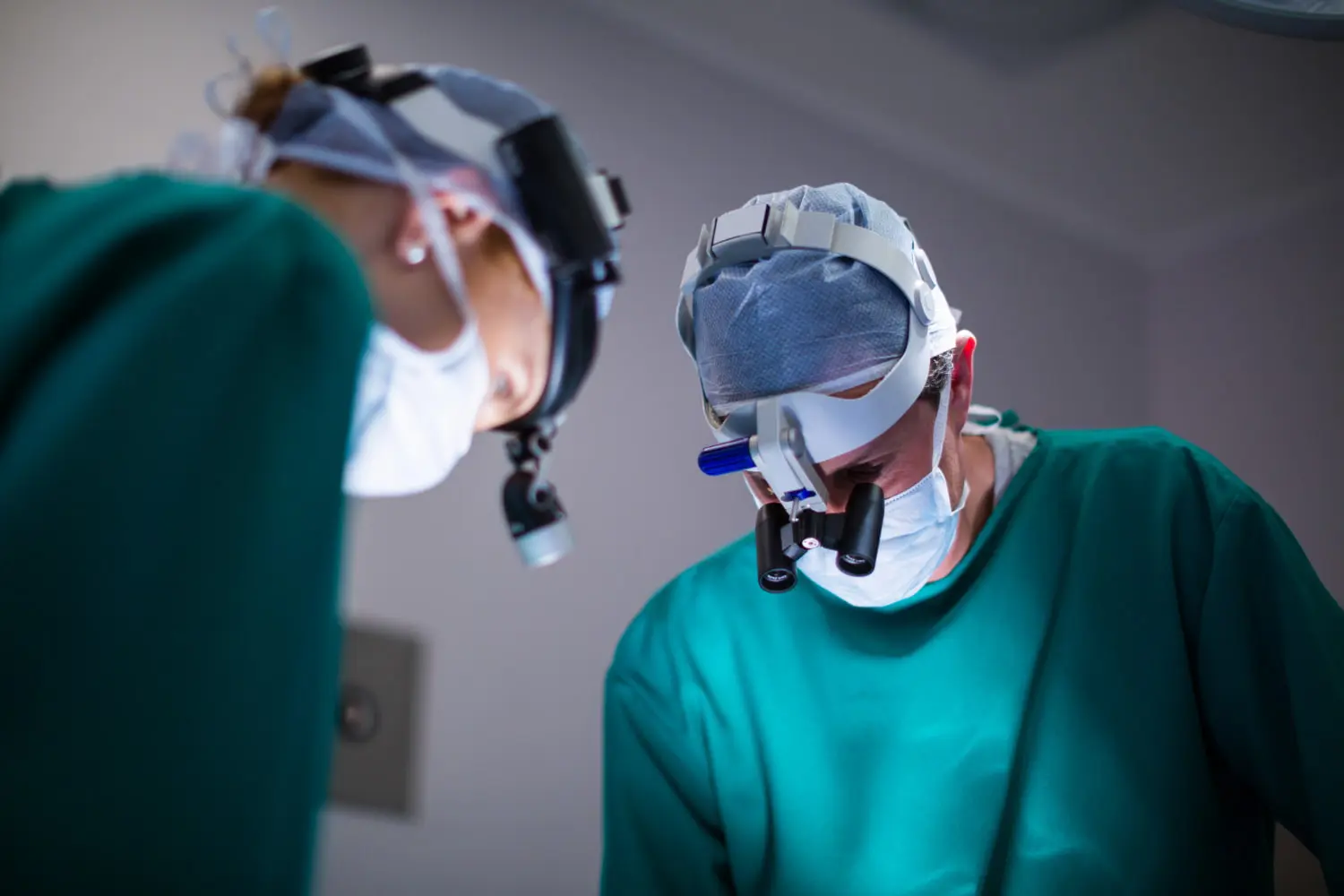
Improving functionality
Enhancing appearance
Importance of Jaw Surgery in Improving Oral Health and Facial Aesthetics
The Role of Jaw Surgery in Oral Health
When the jaw is misaligned, it can hinder daily functions. Jaw surgery helps resolve:
The Role of Jaw Surgery in Facial Aesthetics
An aligned jaw contributes significantly to facial balance and profile harmony. By adjusting structural issues, jaw surgery can achieve:
Common Conditions Requiring Jaw Surgery
Malocclusion Correction with Jaw Surgery
Malocclusion, or “bad bite” occurs when the upper and lower jaws are misaligned, causing challenges in oral functionality and appearance. For severe cases, jaw surgery becomes essential.
Types of malocclusion
Addressing these issues improves chewing, speech, and facial balance while also helping prevent long-term oral health problems such as gum disease and uneven tooth wear.
Treatment methods
Severe malocclusion is treated through:
Obstructive Sleep Apnea
Obstructive sleep apnea (OSA) occurs when the airway becomes blocked during sleep, leading to repeated breathing interruptions and poor-quality rest. In more severe cases, jaw surgery can provide an effective, long-term solution for addressing this condition.
How jaw surgery helps OSA
By repositioning the upper and lower jaws, the airway is widened, addressing the root cause of obstructions. Benefits include:
Surgical techniques
Jaw surgery for sleep apnea serves as a long-term solution, improving health while reducing the risks of untreated OSA.
Enhancing Facial Aesthetics through Jaw Surgery
Jaw surgery improves both function and facial aesthetics. Correcting jaw alignment helps create a more balanced and symmetrical facial appearance, supporting overall facial harmony.
Benefits for aesthetics:
With precise adjustments, jaw surgery restores structural balance while simultaneously resolving health-related issues.

Preparing for Jaw Surgery
Preparation is an essential part of achieving the best outcomes. Patients often participate in pre-surgical evaluations, which may involve orthodontic treatments or imaging assessments. Key steps include:
Consultation with Oral and Maxillofacial Surgeon
The surgeon will evaluate your dental and facial structure and clearly explain the procedure, including expected results and the recovery process.
Orthodontic Treatment: Aligning Teeth Before Surgery
Braces may be needed to properly align the teeth before surgery is performed.
Follow Pre-Surgical Instructions
These steps may include dietary adjustments, temporarily stopping certain medications, and following other important health precautions.
Recovery and Aftercare
Recovery and aftercare are vital parts of the healing process, helping ensure a smooth return to daily activities after surgery. This phase includes a combination of self-care, professional guidance, and careful adherence to prescribed instructions to achieve the best possible results. Thoughtful aftercare planning is important for preventing complications, maintaining progress, and supporting a healthy, long-term recovery. Below is an overview of the key elements that contribute to successful healing.
Post-operative pain management
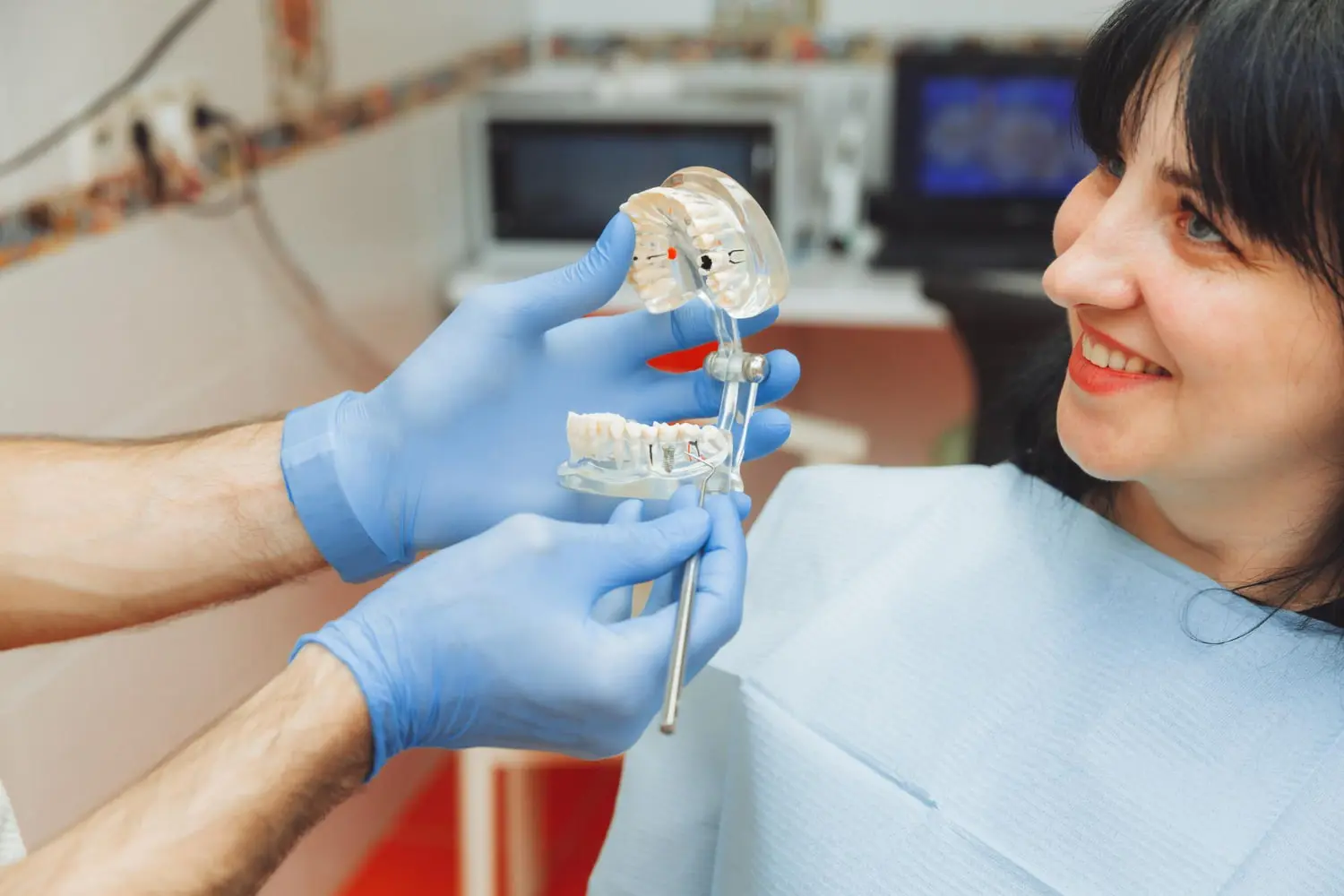
Dietary restrictions and oral hygiene

Follow-up appointments

Physical therapy and rehabilitation

Risks and Complications of Jaw Surgery
Like any medical procedure, jaw surgery involves certain risks and possible complications. Although most risks can be effectively managed, understanding them helps patients take appropriate precautions and make well-informed decisions.

Rehabilitation Exercises
Conclusion
Jaw surgery, also called orthognathic surgery, plays an important role in correcting jaw and facial misalignments. It offers both functional benefits and aesthetic improvements, addressing not only appearance-related concerns but also key health and quality-of-life issues.

Importance of jaw surgery

Benefits of jaw surgery
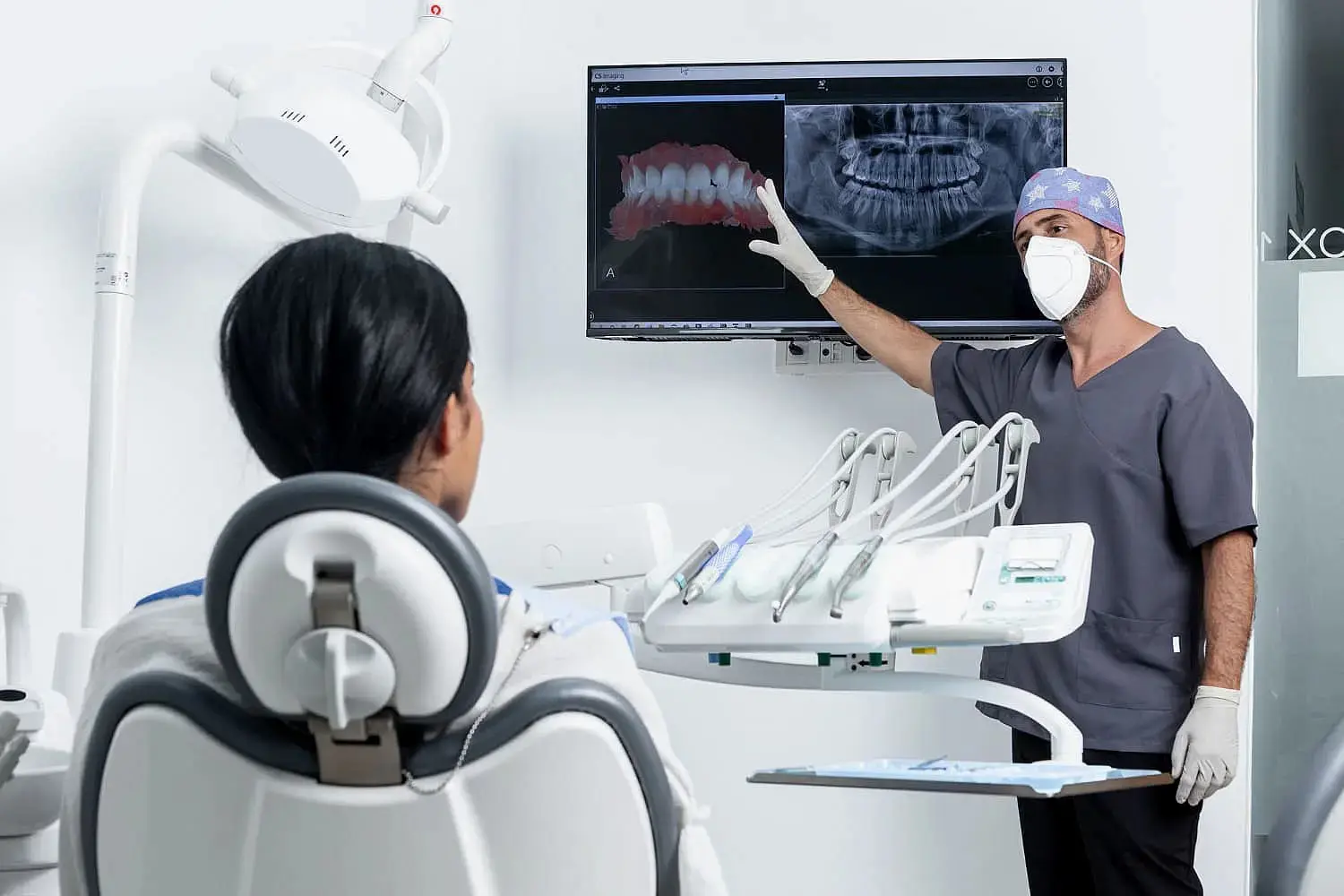
Future advancements in jaw surgery
Innovative research is advancing the field, improving outcomes for patients: