
Orthodontic braces are devices designed to correct misaligned teeth and improve overall dental alignment. By applying gentle, continuous pressure, they gradually move teeth into their proper positions. This guide explains the different types of braces, highlighting their unique features and helping patients determine which option is best suited to their individual needs.

Clear Aligners such as Invisalign

An advanced orthodontic option that employs transparent, custom-designed aligners to gently and gradually straighten teeth.

Components

Custom-made clear aligners or trays.

Advantages

Nearly invisible, removable for eating and cleaning.

Considerations

Requires discipline to wear consistently, not suitable for severe cases.
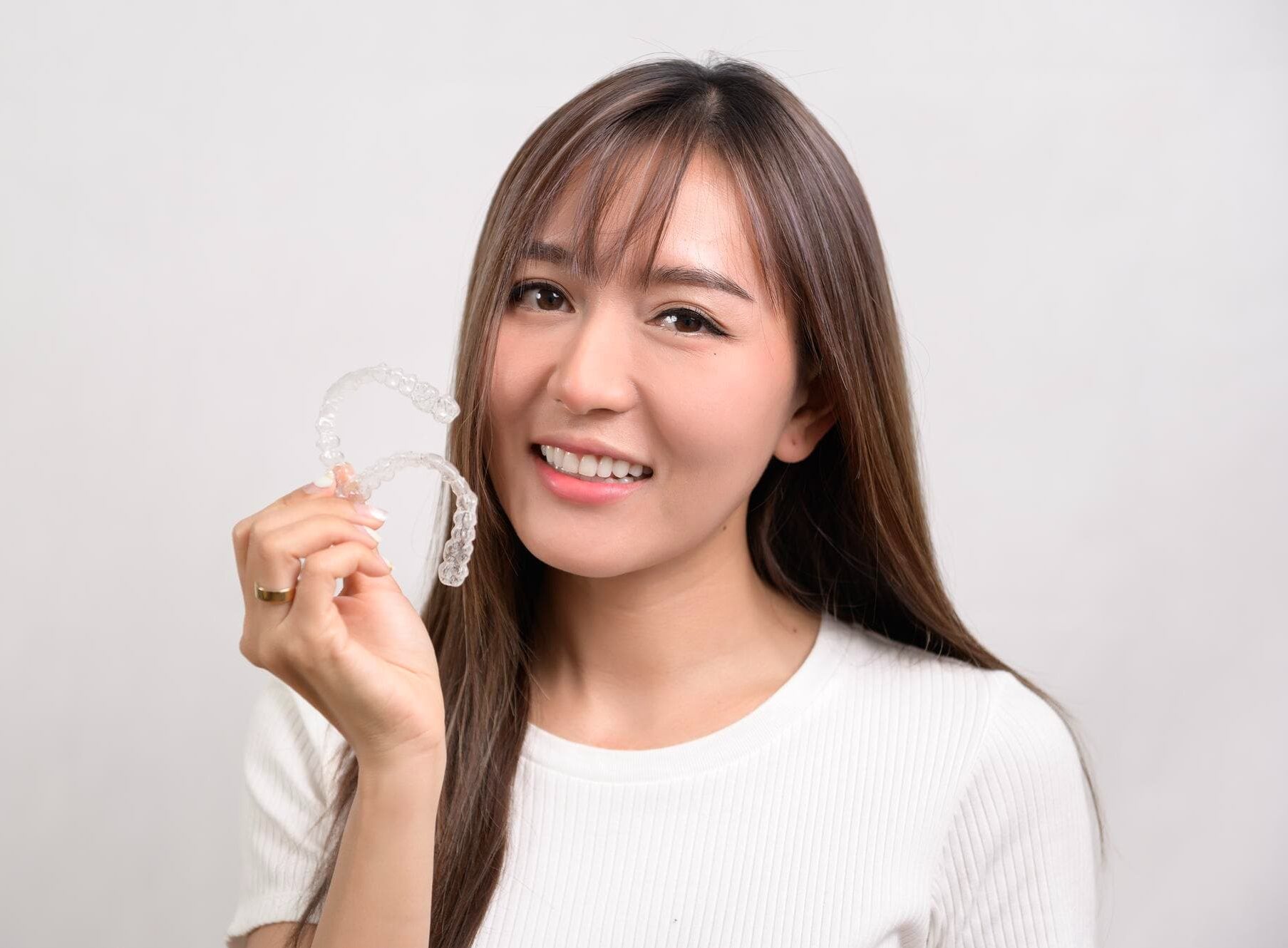
Smiling woman in a white shirt holds Invisalign clear dental aligners promoting Gianquinto Orthodontic Arts in Bakersfield, Tehachapi or Mammoth Lakes, CA
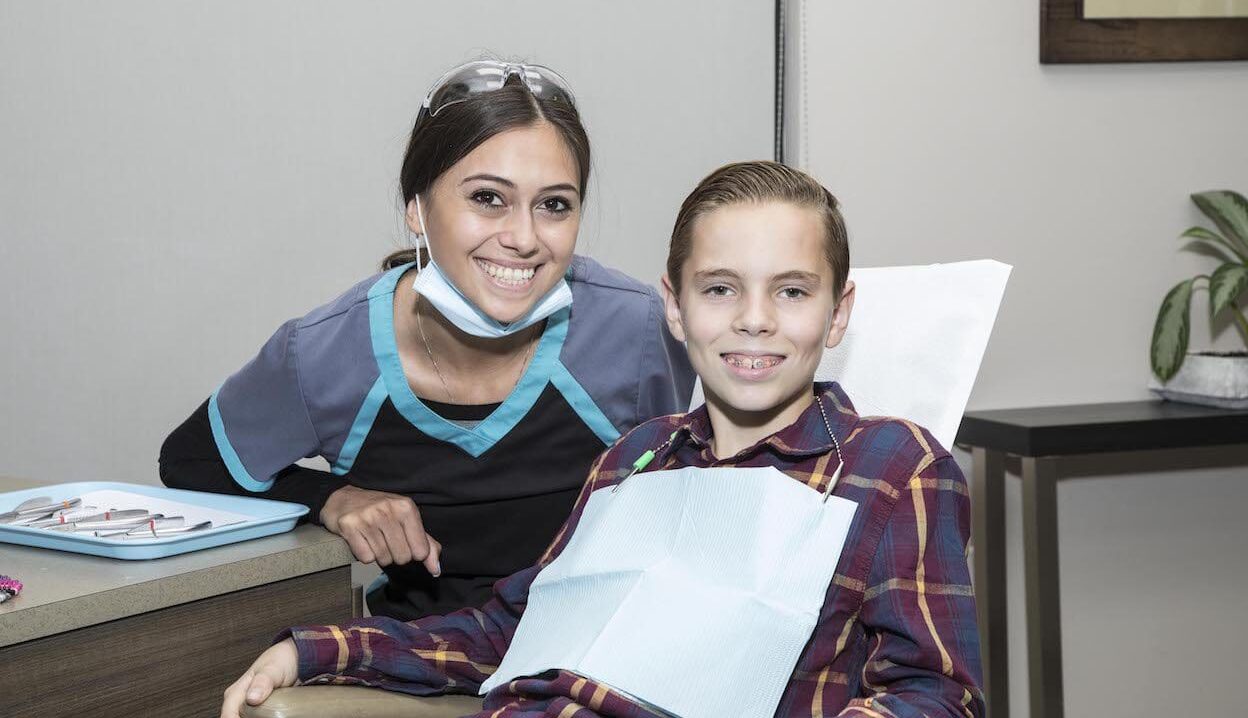
Smiling man with short brown hair and metal braces recommended Gianquinto Orthodontic Arts in Bakersfield, Tehachapi or Mammoth Lakes, CA

Metal Braces

Traditional metal braces use strong brackets and wires to correct even severe misalignments. While visible, they are dependable, affordable, and provide highly effective results.

Components

Metal brackets, archwire, rubber bands.

Advantages

Effective for severe misalignments, cost-effective.

Considerations

Visible, may cause discomfort initially.

Ceramic Braces

Ceramic braces use clear brackets for a more discreet appearance. They look natural and are visually appealing, but need careful maintenance to prevent stains or damage.

Components

Ceramic brackets, archwire, and optional rubber bands.

Advantages

Aesthetic appeal, nearly invisible.

Considerations

More fragile than metal braces, may stain.
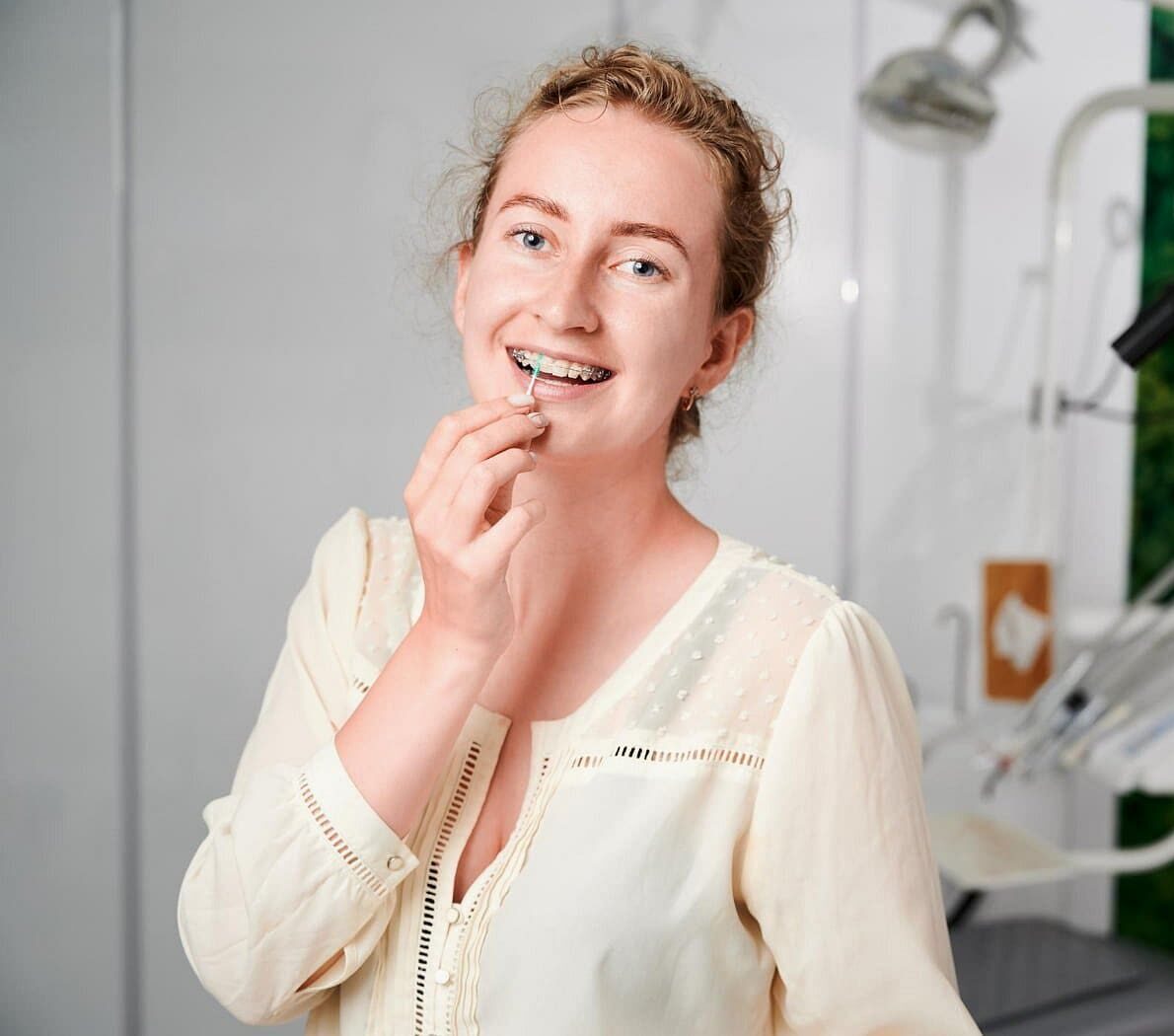
A woman with ceramic braces, promoting Gianquinto Orthodontic Arts in Bakersfield, Tehachapi or Mammoth Lakes, CA
A patient’s mouth is held open for lingual braces at Gianquinto Orthodontic Arts in Bakersfield, Tehachapi or Mammoth Lakes, CA

Lingual Braces

Lingual braces are positioned on the inner surfaces of the teeth, providing a fully hidden orthodontic treatment option.

Components

Custom-made brackets, archwire.

Advantages

Invisible from the front, effective for complex cases.

Considerations

May take time to adjust speech, and cleaning requires extra effort.

Considerations for Different Age Groups

Orthodontic treatment can be effective at any age, with many patients taking advantage of options like Invisalign, custom braces, and traditional braces. Invisalign is popular among all age groups for its comfort and discreet look, while braces continue to be an essential choice for certain orthodontic needs.
Children and teens: Invisalign is commonly recommended because it is comfortable, removable, and easy to keep clean. For certain orthodontic goals, metal braces or other appliances may still be used.
Adults: Most adults prefer Invisalign for its discreet appearance and predictable results, though ceramic braces or other brace types remain available when needed.
Braces are a fantastic option for straightening teeth, and they’re suitable for both kids and grown-ups alike!
Selecting the best type of braces depends on your dental needs, cosmetic preferences, and the complexity of your case. Meeting with an orthodontic specialist can help identify the most appropriate option for effective treatment and a healthy, confident smile.
A smiling family with two kids sits together considering the type of braces from Gianquinto Orthodontic Arts in Bakersfield, Tehachapi or Mammoth Lakes, CA

FAQ

How do I know which type of braces is right for me?

The best type of braces depends on your dental needs, lifestyle, and personal preferences. Traditional metal braces are effective for complex issues and are usually an affordable choice. Ceramic braces blend with your tooth color, making them less noticeable but slightly more expensive. Clear aligners are nearly invisible and removable, offering comfort and flexibility, though they may not suit severe cases. Your orthodontist can help you choose the option that fits your goals and lifestyle.

How do ceramic braces differ from metal braces?

Ceramic braces offer a more cosmetic alternative to metal braces because they match your natural tooth color, making them less visible. They work much like metal braces but are often chosen by patients seeking a discreet treatment. Ceramic braces can be slightly more expensive and need careful cleaning to avoid staining. Both ceramic and metal braces are highly effective, and the decision between them depends on your personal preference, treatment goals, and orthodontic needs.

Which type of braces is the fastest for results?

The length of treatment depends on your case’s complexity and the type of braces selected. For mild to moderate adjustments, clear aligners can work faster when worn as directed. For more complicated corrections, traditional metal braces are usually the quickest option, as they apply consistent, controlled pressure to move teeth effectively. Your orthodontist will help determine the most efficient treatment plan based on your specific needs and desired results.