


Braces vs Invisalign: Which is Best?
Choosing between braces and Invisalign (by Align Technology) to correct crooked teeth can feel overwhelming, including in Bakersfield, Tehachapi, and Mammoth Lakes. It starts with finding the best orthodontist in these areas. Both options, whether Invisalign or traditional metal braces, have their benefits and considerations. At Gianquinto Orthodontic Arts, the right choice often depends on your dental needs and lifestyle. So, which is better: Invisalign or braces?
While regular brackets or ceramic brackets are often recommended by the orthodontist or dentist for more complex issues than just crooked teeth, Invisalign or Invisalign Teen are catching up in terms of technological advancements and versatility to fix your smile. The following guide can help you decide what suits your needs and show how Dr. G at Gianquinto Orthodontic Arts in Bakersfield, Tehachapi, and Mammoth Lakes can craft the smile you’ve always wanted.
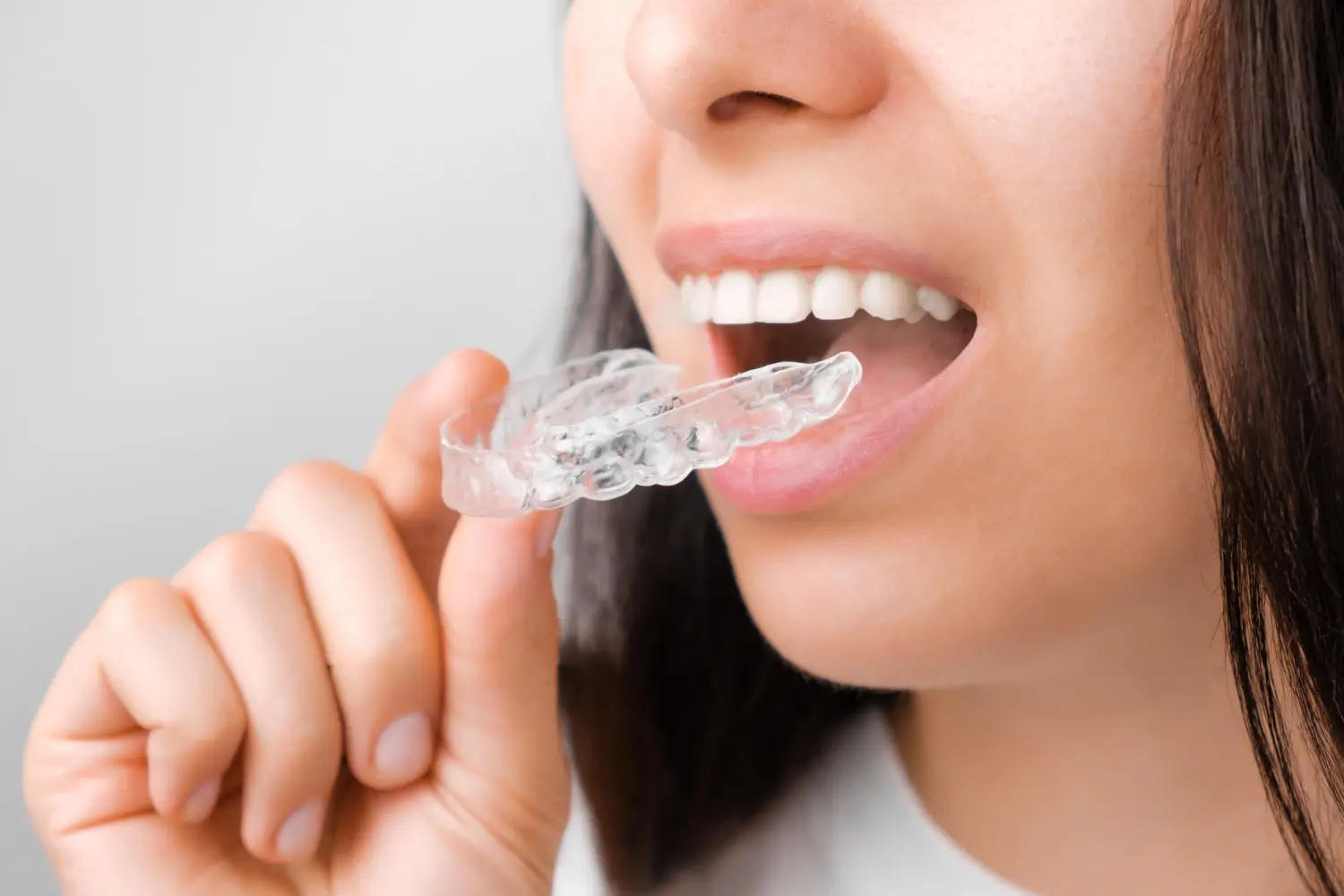
Factors Influencing Effectiveness of Braces vs Invisalign

Complexity of the Dental Case
Dental care depends on the complexity of each case. Certain methods provide greater control and are best for addressing more complicated dental issues.
Some treatments require regular effort and strict adherence. A patient’s lifestyle or habits can affect the choice of treatment for optimal results.
Other treatment options may be more effective when habits are inconsistent, delivering dependable results without requiring constant daily compliance from the patient.
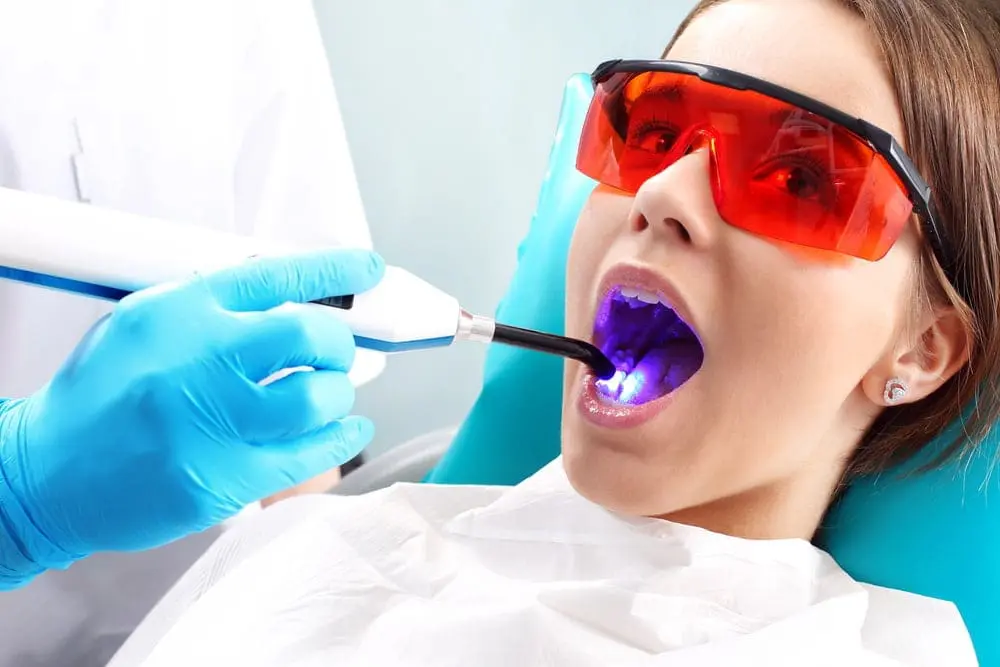
Investment and Oral Hygiene
Orthodontic care is a worthwhile commitment. Some treatment options are designed to simplify oral hygiene, reducing the need for frequent cleaning visits and supporting long-term convenience.
Certain methods help limit bacteria, promoting healthier teeth and gums and supporting better long-term oral health with fewer issues.
Other approaches require diligent cleaning routines. Without proper care, plaque can accumulate, highlighting the importance of consistent and attentive hygiene practices to protect overall dental health.
Orthodontic Treatment Effectiveness in Different Age Groups
Explore how orthodontic treatment varies between children and adults, focusing on growth, lifestyle, and the personalized solutions available for each.

Early Orthodontic Treatment in Children
Children gain from early orthodontic treatment to correct jaw alignment and guide teeth into proper positions during growth. Traditional metal braces continue to be a dependable option; however, many families prefer Invisalign for Phase I treatment because it delivers excellent results with a more comfortable and discreet experience for kids.
Adult Orthodontics: Invisalign versus Braces
Adults usually choose between removable and fixed orthodontic treatments based on lifestyle needs. Removable options provide convenience and aesthetics, while fixed methods are ideal for inconsistent habits, ensuring dependable results. Both choices depend on case complexity and personal preference.
Real-world Applications: Invisalign or Braces?
Debunking Myths Around Braces and Invisalign
Clearing up common misconceptions helps patients make informed decisions about braces and clear aligner treatments.
Myths about Braces
Many believe braces are only for children or teens; in reality, they are effective for all ages and provide a reliable way to address long-standing orthodontic issues in adults.
Myths about Clear Aligner Therapy
Clear aligners are not always more expensive than braces, and they can effectively treat many orthodontic cases. While they may not be ideal for severe dental issues, they work very well when patients follow proper use and a carefully planned treatment program tailored to their individual needs.

Can Extraction Cases be Treated with Clear Aligners
Clear aligners are an effective option for managing cases involving tooth extractions when worn as directed. Achieving optimal results depends heavily on patient compliance, as inconsistent use can slow progress or reduce effectiveness. When adherence is uncertain or more complex corrections are required, alternative treatments may be advised to better meet the patient’s specific needs and goals throughout their orthodontic journey.
Mechanical Advantages and Disadvantages in Orthodontic Treatments
Fixed appliances are generally more reliable for complex dental movements, such as bite adjustments or jaw realignment, because they provide greater precision and control. Removable options can simplify tasks such as aligning teeth and closing gaps simultaneously, but success largely depends on consistent patient cooperation. Ultimately, the treatment choice is guided by case complexity and the patient’s commitment to following the prescribed plan.