
Causes and Effects of Mouth Breathing

Causes of mouth breathing
Mouth breathing can occur for many reasons, including seasonal allergies such as cedar fever, protruding teeth, chronic nasal congestion, enlarged tonsils, or sleep apnea. Environmental factors and allergens in California may also worsen these conditions for some individuals.

Mouth breathing affects overall health
Mouth breathing can have a noticeable impact on respiratory health. Without the nose’s natural filtering process, people may be more prone to respiratory infections, experience reduced oxygen intake, and have less efficient breathing overall.

Relationship between mouth breathing and dry mouth
Warmer climates can intensify the effects of mouth breathing by contributing to dry mouth, also known as xerostomia. At Gianquinto Orthodontic Arts, many patients report this concern, which can lead to dental issues such as cavities and gum disease if not treated.

Connection between mouth breathing and sleep apnea
Mouth breathing often occurs alongside sleep apnea, creating a cycle that negatively affects sleep quality. Treating mouth breathing can help many patients experience better sleep and improvements in daily energy and overall quality of life. Addressing both conditions together can greatly support long-term health.

Effects of mouth breathing on brain function and cognitive abilities (brain fog)
Mouth breathing may also contribute to brain fog, difficulty concentrating, and mental fatigue. These challenges can interfere with work, learning, and everyday activities, making treatment important for improving focus and cognitive performance.

Impact of mouth breathing on oral health and bad breath
Patients who struggle with mouth breathing often experience oral health concerns such as cavities, gum disease, and halitosis, or bad breath. Reduced saliva flow allows harmful bacteria to grow more easily, which can lead to serious dental and gum problems if left untreated.
Health Risks Associated with Mouth Breathing
Mouth breathing in both children and adults can increase the risk of respiratory infections such as sinus infections, colds, and the flu. This happens because mouth breathing bypasses the nasal passages, which normally filter out harmful germs, allowing them to reach the lungs more easily. Over time, ongoing mouth breathing can worsen nasal congestion, creating a cycle that makes nasal breathing even more difficult.
The connection between mouth breathing and lung health is concerning, as it may contribute to more serious and long-term respiratory issues. In children, the effects can be especially impactful. Chronic mouth breathing may disrupt proper facial and dental development, interfere with healthy sleep patterns, and contribute to behavioral concerns. Early intervention is important to support normal growth, improve sleep quality, and promote overall well-being.
Diagnosis and Treatment
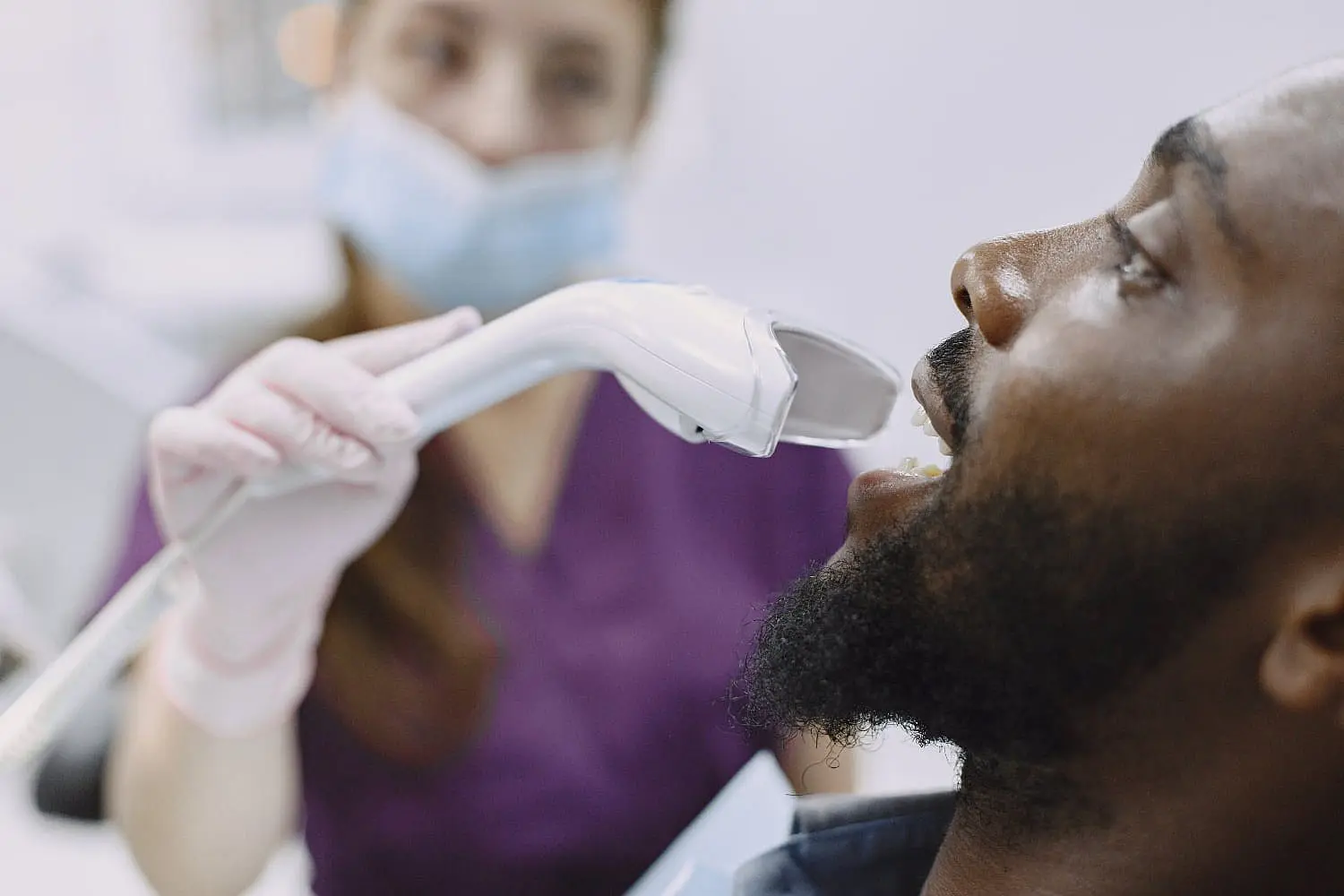
Dr. G uses advanced diagnostic tools at Gianquinto Orthodontic Arts to evaluate patients for mouth breathing and its underlying causes. Each patient receives a personalized treatment plan, which may include orthodontic appliances, breathing exercises, or coordination with other healthcare professionals to ensure comprehensive, well-rounded care.
Prevention and Management
Breathing exercises and techniques that support nasal breathing in children can be strengthened through a mix of prevention and management strategies. Simple lifestyle changes, such as maintaining a balanced diet, staying well hydrated, and participating in regular physical activity, help reduce nasal congestion and encourage healthier nasal breathing.
These approaches may include diaphragmatic breathing, which focuses on deep, efficient breaths using the diaphragm instead of shallow chest breathing, along with gentle exercises designed to help clear the nasal passages. Teaching children why nasal breathing is important for overall health and helping them develop positive breathing habits can lead to long-term benefits. When combined with lifestyle improvements, targeted breathing exercises create a well-rounded approach to supporting healthy nasal breathing in children.

Improving Your Breathing and Health with Airway Orthodontics
We use advanced 3D imaging technology to closely evaluate airway structures and develop customized treatment plans. This modern approach allows us to address breathing concerns and orthodontic needs simultaneously, helping deliver outstanding results for our patients.