A plain-language guide to how these two bite problems differ, what causes them, and when it’s time for an evaluation.
Overbite vs underbite are two of the most common bite problems orthodontists see, and patients often use the words interchangeably. They aren’t the same condition, and understanding what sets them apart is the first step toward knowing what your own bite needs.
An overbite happens when the top teeth cover the lower teeth too much. An underbite is the reverse, where the lower jaw sticks out farther than the top jaw. Both are bite problems that affect how your teeth fit together, and both can range from mild to severe.
Overbite and underbite look like opposite problems, and in a sense they are. Patients across Bakersfield, Tehachapi, and Mammoth Lakes often spot one or the other in the mirror, but seeing the difference and understanding what it means for day-to-day comfort are two different things.
Left unaddressed, either condition can affect more than appearance. Eating, speaking, and long-term jaw comfort can all be at stake, depending on how pronounced the bite mismatch is.
At OrthoArts, Dr. Jared R. Gianquinto, DMD, MS, works with patients and families throughout Bakersfield, Tehachapi, and Mammoth Lakes to build a treatment plan around the individual bite in front of him, not just the general label.
What Are Overbites and Underbites?
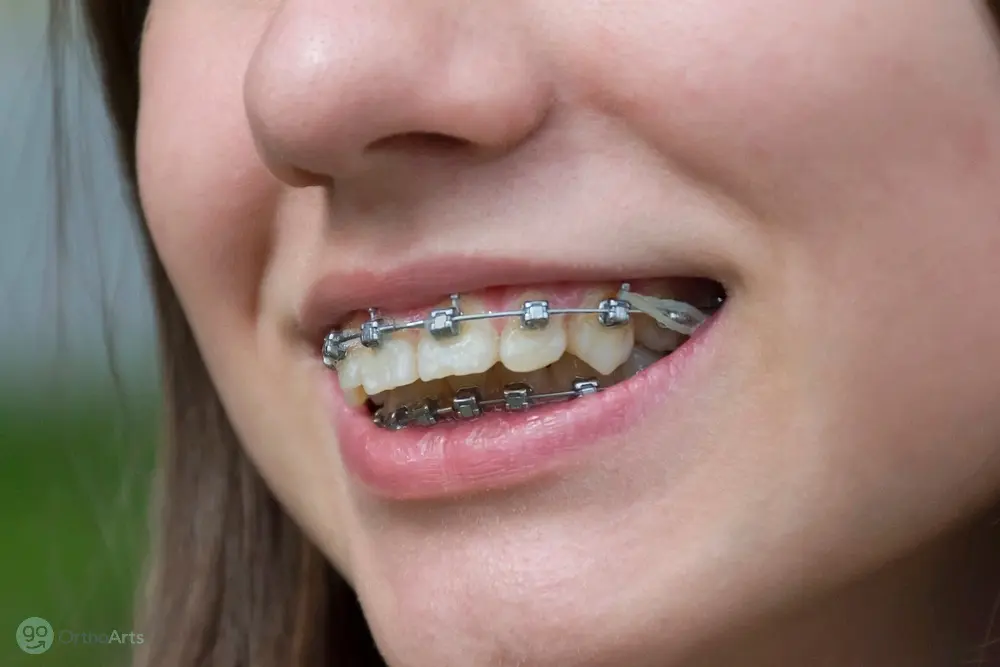
An overbite happens when the top teeth cover the lower teeth too much. An underbite is the opposite: the lower jaw sticks out farther than the upper jaw. Both are types of bite problems that affect bite function, meaning how well your upper and lower teeth fit together when you bite down.
What Causes Bite Problems?
Several factors can lead to bite issues like overbites, underbites, and crossbites. Here are four of the most common causes.
Childhood Habits
Early habits like thumb sucking, pacifier use, or tongue thrusting can affect how the jaw develops. These habits may contribute to teeth alignment issues as a child grows.
Genetics
The size and shape of your jaw, along with a tendency toward teeth misalignment, are traits you inherit from your family. Problems like tooth crowding, gaps, or uneven jaws often have genetic roots. Dr. Fateh Arslan, an orthodontist in San Antonio, TX, notes that even hereditary bite issues can generally be treated effectively with an orthodontic care plan tailored to the individual patient.
Diet
Modern diets that favor soft foods have reduced natural jaw exercise. Hard, chewy foods like apples or nuts help promote healthy jaw development and alignment.
Missed Early Orthodontic Treatment
Skipping early checkups can let small bite problems grow into bigger ones. Steady visits while a child is still growing make it possible to catch small bite changes early and keep later treatment simpler, an approach echoed in personalized orthodontic care from Dr. Viecilli at Limestone Hills Orthodontics in Austin, TX. Tools like palate expanders or retainers can guide jaw growth in a child and help prevent more complicated procedures, such as jaw surgery, later in life.
Overbite vs Underbite at a Glance
| Overbite | Underbite | |
| Definition | Top teeth cover the lower teeth too much | Lower jaw sticks out farther than the top jaw |
| Common causes | Childhood habits, genetics, diet, missed early treatment | Same underlying causes as overbite |
| Possible effects if untreated | Jaw pain, TMJ disorders, chewing difficulty, speech problems, worn enamel, breathing issues | Same range of possible effects as overbite |
| Treatment options | Braces, clear aligners, orthodontic appliances, jaw surgery for severe cases | Same treatment options, matched to severity |
An OrthoArts exam is what determines which treatment path fits a specific bite, since severity varies from patient to patient regardless of whether the issue is an overbite or underbite.
Why Fix Bite Problems?
Treating bite problems early can protect your health and improve your quality of life. Left untreated, misalignment can lead to:
- Jaw Pain and TMJ Disorders: Misaligned teeth can put pressure on the temporomandibular joint, causing jaw pain, popping sounds, or headaches.
- Chewing Difficulties: An uneven bite makes eating uncomfortable and tiring, reducing chewing efficiency.
- Speech Problems: Teeth misalignment can make it difficult to say certain words clearly, affecting common sounds like “s” or “th.”
- Damaged Teeth: Uneven pressure wears down teeth, leaving worn enamel at risk for decay and sensitivity.
- Breathing Problems: Severe bite misalignment can narrow the airway, leading to snoring or even sleep apnea.
Correcting these problems improves both oral health and overall comfort.
Treatment Options for Bite Issues
At OrthoArts, treatment plans are customized to each patient’s needs. No matter the severity of the bite problem, there’s an orthodontic solution to help.
1. Braces
Traditional braces use brackets, wires, and elastics to align teeth gradually. This proven method works for conditions like crossbites, overbites, underbites, or crowded teeth. Teen braces and adult braces remain popular choices for improving alignment.
2. Clear Aligners (Invisalign)
For a nearly invisible option, aligners like Invisalign correct bite misalignment using removable trays. Aligners work well for mild to moderate malocclusion issues like overjets or gaps, and they’re easy to clean since there are no wires involved.
3. Orthodontic Appliances
For growing children, devices like palate expanders, bite turbos, or headgear guide jaw development. Using these tools early can reduce or eliminate the need for more invasive treatments, such as jaw surgery.
4. Jaw Surgery
When misalignment is severe, orthognathic surgery might be necessary. This procedure repositions the jaws to improve bite function and overall aesthetics. Patients typically follow up post-surgery with braces or aligners for finishing touches.
Benefits of Fixing Bite Issues
Treating bite problems isn’t just about your smile. Key benefits include:
- Better Chewing Efficiency: Eating becomes easier and more enjoyable.
- Improved Jaw Function: Proper alignment reduces strain on the jaw and eases jaw pain.
- Protects Teeth: Fixing bite patterns prevents uneven wear, preserving enamel.
- Boosts Self-Esteem: A straight, healthy smile enhances confidence and facial aesthetics.
- Simplifies Dental Care: Aligned teeth are easier to brush and floss, reducing the risk of gum disease and cavities.
Cost of Overbite and Underbite Treatment
The cost of treating an overbite or underbite varies from patient to patient, depending on how severe the bite is and which treatment plan fits best.
Mild bite problems are often fixed with braces or clear aligners, and these treatments usually cost between $3,500 and $7,500. More involved cases, such as those requiring orthodontic appliances or jaw surgery, fall outside that range and are quoted individually after an exam.
When an Overbite or Underbite Might Not Need Immediate Treatment
Not every bite mismatch calls for treatment right away. A very mild overbite or underbite that isn’t affecting chewing, speech, or jaw comfort, and isn’t causing visible wear on the teeth, may simply be something to monitor rather than treat immediately.
That said, “mild” is a clinical judgment, not something to self-diagnose from a mirror. Two bites that look similar on the surface can have very different underlying causes, so the honest next step for anyone unsure is a consultation rather than guesswork.
What a Consultation Can (and Can’t) Tell You
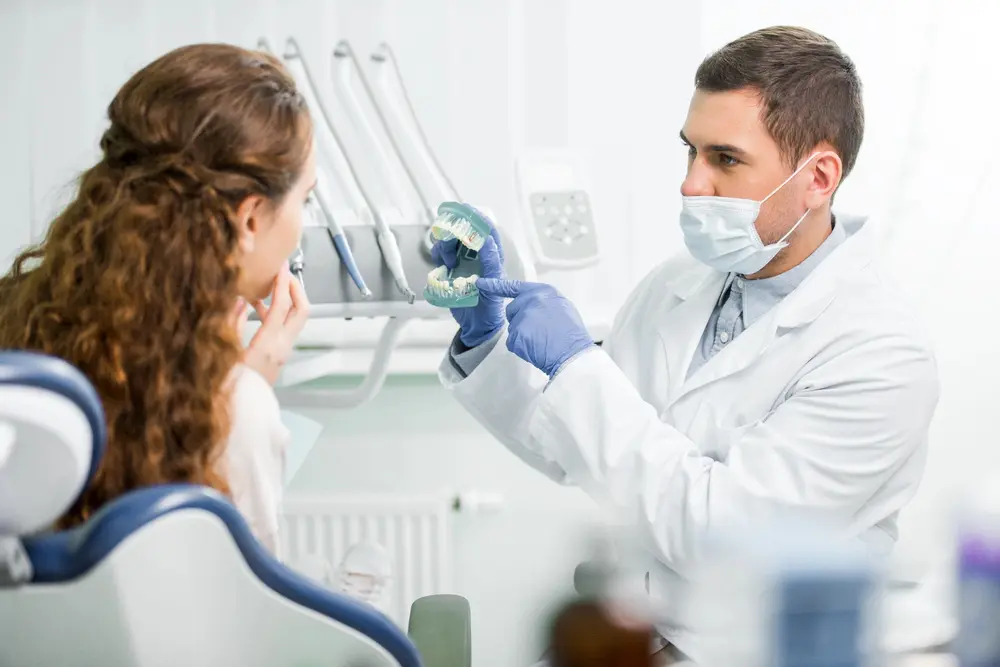
A consultation is where the actual diagnosis happens. At OrthoArts, that means digital X-rays, 3D study models, and bite impressions used together to see how the back teeth meet and how the jaw is positioned, not just how the front teeth look.
What a consultation can’t do is happen without you in the chair. Photos and self-checks can suggest whether a bite leans toward overbite or underbite, but they can’t determine severity, confirm whether the cause is dental or related to jaw growth, or map out a specific treatment timeline. That level of detail comes only from an in-person exam.
Questions about what a visit involves, or about scheduling, can go through Contact Us.
What Treatment Looks Like at OrthoArts
- Consultation and diagnosis. Digital X-rays, 3D study models, and bite impressions establish exactly what’s happening with your bite.
- Choosing a treatment path. Depending on severity, the plan may involve braces, clear aligners, an orthodontic appliance, or, in severe cases, jaw surgery coordinated with braces or aligners for finishing touches.
- Active treatment. Regular visits track progress and allow adjustments as the bite shifts into place.
- Retention. Once treatment finishes, a retainer, good oral hygiene, and regular checkups keep the results stable long term.
Frequently Asked Questions
At what age should overbites be corrected?
Overbites are easiest to treat in childhood or the early teen years, usually between ages 7 and 14. At this stage, the jaw and teeth are still developing, so treatment can work more quickly. However, overbites can be corrected at any age. An orthodontist can check your bite and recommend the right time to begin.
Does overbite cause chubby cheeks?
No, an overbite does not cause chubby cheeks. It only affects how your teeth fit together, not your face shape. Cheek fullness is usually due to genetics, weight, or natural facial structure. Everyone’s face is unique, and full cheeks are completely normal for many people.
How to fix overbite completely?
The best way to correct an overbite is to visit an orthodontist. They might recommend braces or clear aligners to move your teeth into the right position. In severe cases, jaw surgery may be needed. Treating an overbite early often works fastest, but adults can see excellent results too. With patience and care, you can achieve a healthy, straight smile.
What’s the actual difference between an overbite and an underbite?
An overbite means the top teeth cover the lower teeth too much. An underbite is the reverse: the lower jaw sticks out farther than the top jaw. Both are bite problems that affect how the teeth fit together, and either can range from a mild cosmetic difference to a more significant functional issue.
How much does it cost to treat an overbite or underbite?
It depends on severity. Mild cases treated with braces or clear aligners typically run $3,500 to $7,500. Cases that need orthodontic appliances or jaw surgery cost more, and the exact number comes from an exam and a written treatment plan, not a general estimate.
Related Reading
- Why Every Child Should See An Orthodontist by Age 7
- Can Invisalign Fix Overbite in Bakersfield and Tehachapi, CA
Ready to Find Out What’s Behind Your Bite?
OrthoArts offers a free orthodontic consultation for patients in Bakersfield, Tehachapi, and Mammoth Lakes, covering a full bite exam and a clear look at which treatment options fit your situation.
Schedule Your Free Consultation
Free consultation for new patients.