Are you wondering about overbite vs underbite in Bakersfield and Tehachapi, CA? These are common bite issues that can affect how your teeth work and how you feel. It can also make eating and talking harder or even lead to jaw pain, TMJ disorders, and chronic headaches.
What Are Overbites and Underbites?
An overbite happens when the top teeth cover the lower teeth too much. An underbite, on the other hand, occurs when the lower jaw sticks out farther than the top jaw. Both are types of bite problems that affect how your teeth fit together, also called bite function.
What Causes Bite Problems?
Several factors can cause bite issues like overbites, underbites, and crossbites. Here are four of the most common causes:
Childhood Habits
Early habits like thumb sucking, pacifier use, or tongue thrusting can affect how the jaw develops. These habits may lead to teeth alignment issues as a child grows.
Genetics
You inherit traits like the size or shape of your jaw and teeth misalignment from your family. Problems like tooth crowding, gaps, or uneven jaws often have genetic roots. As Dr. Fateh Arslan, a respected orthodontist in San Antonio, TX, highlights, even hereditary bite issues can be effectively treated with the right orthodontic care plan tailored to the patient’s needs.
Diet
Modern diets focusing on soft foods have reduced natural jaw exercise. Hard, chewy foods like apples or nuts help promote better jaw development and jaw alignment.
Missed Early Orthodontic Treatment
Skipping early checkups can let small bite problems grow worse. Tools like palate expanders or retainers can guide a child’s jaw growth and prevent complicated procedures like jaw surgery later in life.
Why Fix Bite Problems?
Treating bite problems early can protect your health and improve your quality of life. Left untreated, misalignment can lead to:
- Jaw Pain and TMJ Disorders: Misaligned teeth can put pressure on the temporomandibular joint, causing jaw pain, popping sounds, or headaches.
- Chewing Difficulties: An uneven bite makes eating uncomfortable and tiring, reducing chewing efficiency.
- Speech Problems: Teeth misalignment can make it difficult to say certain words clearly. This can affect common sounds like “s” or “th.”
- Damaged Teeth: Uneven pressure wears down teeth. Worn enamel leaves teeth at risk for tooth decay and sensitivity.
- Breathing Problems: Severe bite misalignment can narrow the airway, leading to snoring or even sleep apnea.
Correcting these problems improves both your oral health and overall comfort.
Treatment Options for Bite Issues
At OrthoArts, we offer customized treatment plans tailored to each patient’s needs. No matter the severity of the bite problem, we have orthodontic solutions to help.
1. Braces
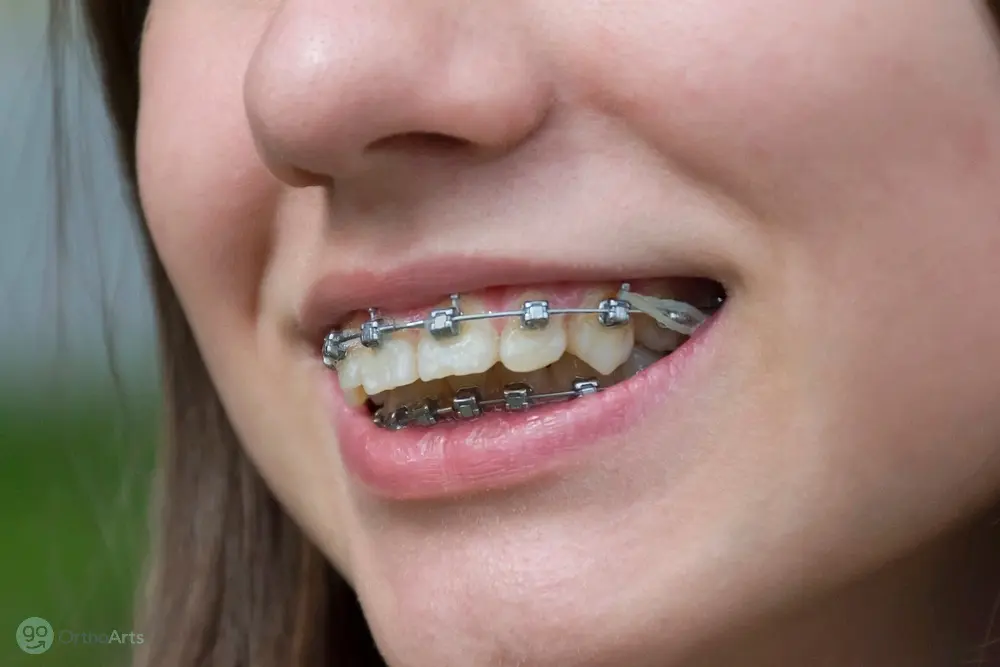
Traditional braces use brackets, wires, and elastics to align teeth gradually. This proven method works for conditions like crossbites, overbites, underbites, or crowded teeth. Teen braces and adult braces remain popular choices for improving teeth alignment.
2. Clear Aligners (Invisalign)
For a nearly invisible option, aligners like Invisalign correct bite misalignment using removable trays. Aligners are great for mild to moderate malocclusion issues like overjets or gaps. They’re easy to clean and don’t require wires, making them a flexible option for busy lifestyles.
3. Orthodontic Appliances
For growing children, devices like palate expanders, bite turbos, or headgear guide jaw development. Early use of these tools can reduce or eliminate the need for more invasive treatments, such as jaw surgery.
4. Jaw Surgery
When misalignment is severe, orthognathic surgery might be necessary. This procedure repositions the jaws to improve bite function and overall aesthetics. Post-surgery, patients often follow up with braces or aligners for finishing touches.
Benefits of Fixing Bite Issues
Treating bite problems isn’t just about your smile. Here are some key benefits:
- Better Chewing Efficiency: Eating becomes easier and more enjoyable.
- Improved Jaw Function: Proper alignment reduces strain on the jaw and eases jaw pain.
- Protects Teeth: Fixing bite patterns prevents uneven wear, preserving your enamel.
- Boosts Self-Esteem: A straight, healthy smile enhances confidence and overall facial aesthetics.
- Simplifies Dental Care: Aligned teeth are easier to brush and floss, reducing the risk of gum disease and cavities.
Cost of Overbite & Underbite Treatment
The cost to treat an overbite or underbite can change from patient to patient. Your price depends on how severe your bite is and which treatment plan is best for you.
Mild bite problems are often fixed with braces or clear aligners. These treatments usually cost between $3,500 and $7,500.
Retention and Maintenance
After finishing your treatment plan, keeping your results requires ongoing care. This phase, known as retention, ensures your teeth stay in their new position.
- Wear Retainers: A retainer stops your teeth from shifting back.
- Practice Oral Hygiene: Daily brushing and flossing keep your teeth and gums healthy.
- Attend Checkups: Regular visits help catch any potential problems early.
Why Choose OrthoArts?
At OrthoArts in Bakersfield and Tehachapi, we’re committed to providing exceptional care. Here’s why families trust us:
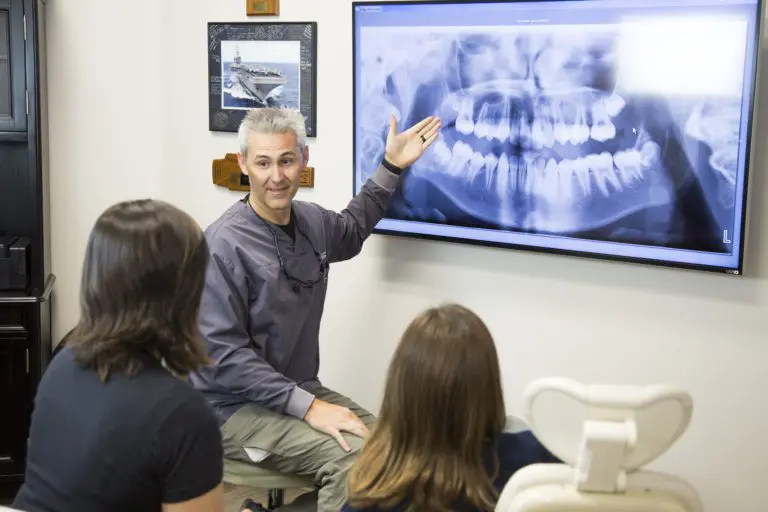
- Advanced Technology: We use digital X-rays, 3D study models, and bite impressions for precise diagnoses.
- Customized Care: Every treatment plan is tailored for the best results, with options like Invisalign and braces to fit your lifestyle.
- Affordable Options: Flexible payment plans and insurance partnerships make orthodontic treatment accessible to most families.
Take the First Step Today
Living with bite problems like overbites or underbites can affect your health and confidence, but they’re treatable. At OrthoArts, our experts create personalized care plans to improve facial aesthetics, restore jaw alignment, and give you a smile that lasts.
Schedule your consultation today and begin your journey toward better oral health and confidence.
About the Authors
Dr. Jared Gianquinto – Orthodontist in Bakersfield and Tehachapi, CA
Dr. Fateh Arslan – Orthodontist in San Antonio, TX
Frequently Asked Questions
At what age should overbites be corrected?
Overbites are easiest to treat in childhood or the early teen years, usually between ages 7 and 14. At this stage, the jaw and teeth are still developing, so treatment can work more quickly. However, overbites can be corrected at any age. An orthodontist can check your bite and recommend the right time to begin.
Does overbite cause chubby cheeks?
No, an overbite does not cause chubby cheeks. It only affects how your teeth fit together, not your face shape. Cheek fullness is usually due to genetics, weight, or natural facial structure. Everyone’s face is unique, and full cheeks are completely normal for many people.
How to fix overbite completely?
The best way to correct an overbite is to visit an orthodontist. They might recommend braces or clear aligners to move your teeth into the right position. In severe cases, jaw surgery may be needed. Treating an overbite early often works fastest, but adults can see excellent results too. With patience and care, you can achieve a healthy, straight smile.